Introduction
Understanding the place
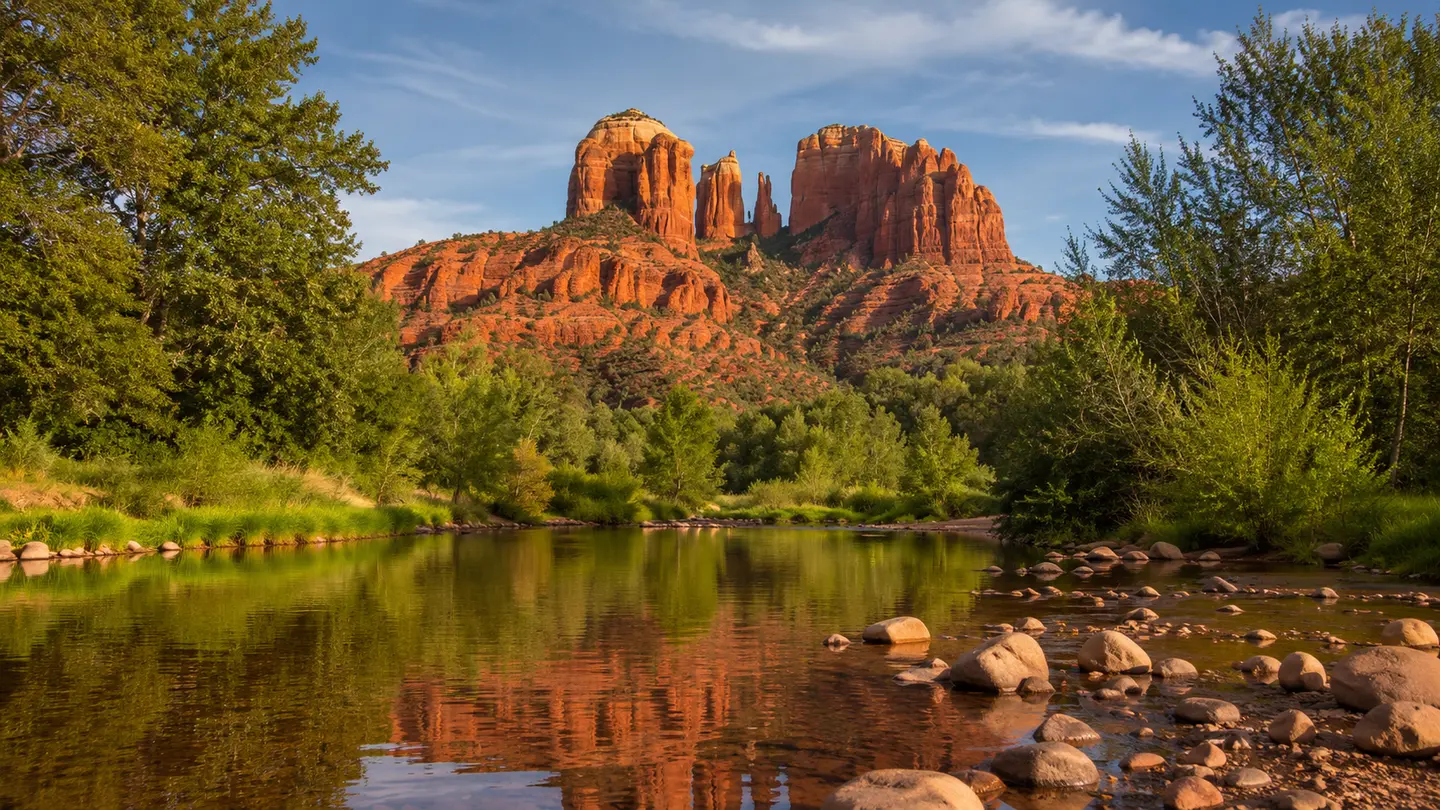
Sedona is known for its canyons and red sandstone formations, but also for a contemporary culture of retreats, alternative care and "energy vortex".
To be retained
- Spectacular red sandstone landscape
- Popularized Vortex in the 20th Century
- Aboriginal presences prior to New Age stories
- Possible awareness, physical phenomenon not demonstrated
History and context
The region belongs to the stories and territories of indigenous peoples, including Yavapai and Apache, well before colonial and tourist development. From the second half of the 20th century, New Age guides and movements popularized several sites such as Bell Rock, Cathedral Rock, Airport Mesa or Boynton Canyon.
Why is this place spiritual?
For Aboriginal traditions, the landscape has stories and responsibilities that do not necessarily coincide with the modern vortex map. For many contemporary visitors, Sedona becomes a place for meditation, personal transition or alternative practice.
What the landscape makes you feel
The colour of the cliffs, the dry light, the juniper and the breadth of the sky produce a truly striking environment. Walking early, listening and limiting noise often offers a deeper experience than the febrile search for an energy point.
Energy, atmosphere and feelings
No Sedona vortex is established as a distinct physical phenomenon. The reported sensations can be sincere and influenced by the landscape, effort, expectations, breathing and collective setting. Orabel presents them as testimonies, not as therapeutic evidence.
Discover with respect
- Recognize indigenous peoples and avoid borrowing their rites without permission.
- Stay on the trails and protect the desert.
- Do not replace medical care with an energy promise.
Sources