Introduction
Understanding the place
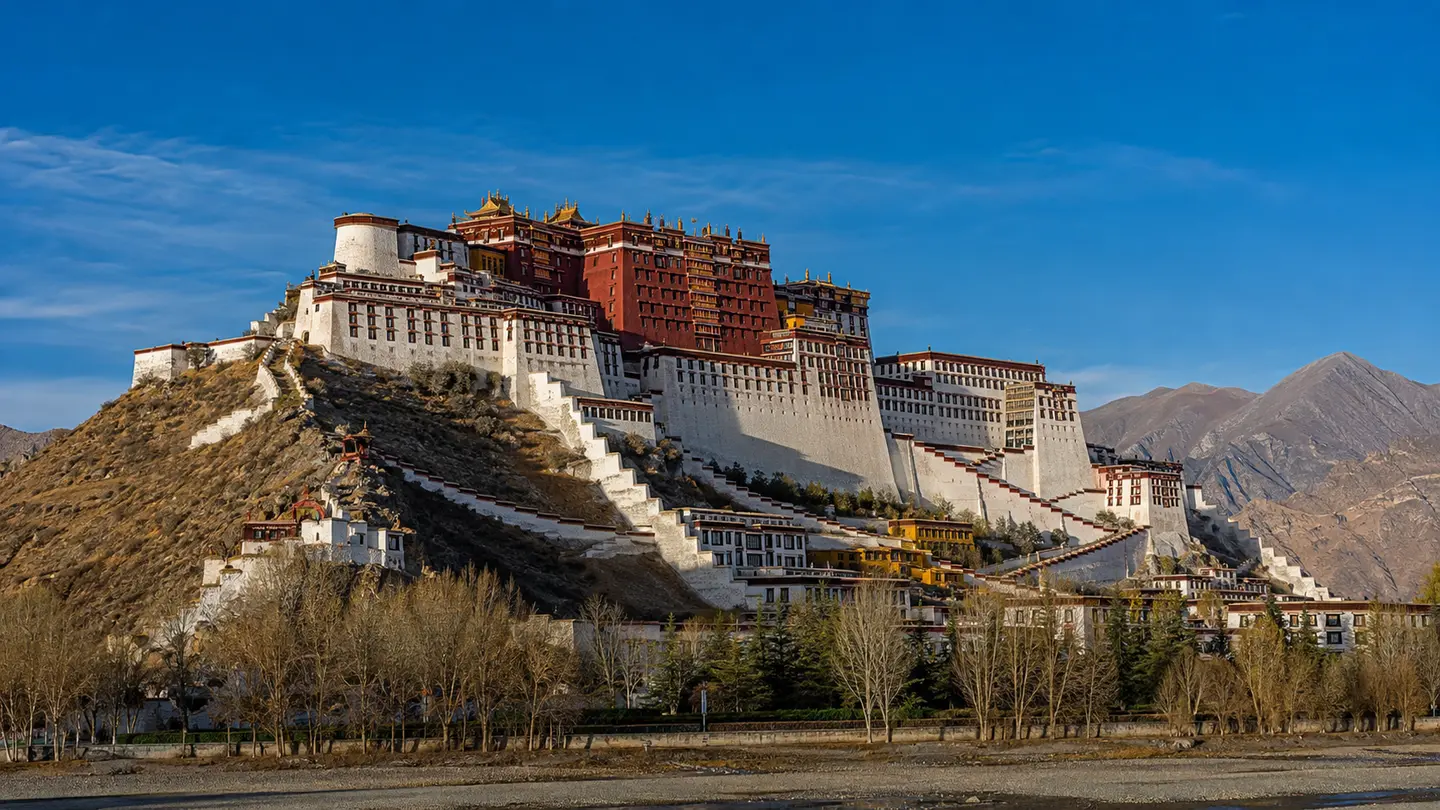
Potala dominates Lhasa from Marpo Ri hill. Former winter residence of Dalai Lamas, it gathers palaces, chapels, tombs and collections of Tibetan Buddhism.
To be retained
- Former residence of Dalai Lamas
- White Palace and Red Palace
- Association in Avalokiteśvara
- Heritage in the sensitive political context
History and context
The fifth Dalai Lama launched the construction of the present palace in the 17th century on an older site. The White Palace housed the administration and residence; the Red Palace concentrated chapels and tombs. Since 1959, the place has been mainly functioning as a museum under Chinese administration.
Why is this place spiritual?
The Potala embodies the historical articulation between religious and political authority in the Tibet of the Ghenten Phodrang. It is associated with Avalokiteśvara, bodhisattva of compassion, to which the Dalai Lamas are connected in Tibetan tradition.
What the landscape makes you feel
The elevation, the thickness of the walls and the chain of chapels give an impression of density. A responsible visit must also recognize the Tibetan political context and the break in use caused in the twentieth century.
Energy, atmosphere and feelings
The Potala's intensity comes from its monumentality, its relics and an ever-sensible history. Reducing it to a "Tibetan energy" would make the institutions, people and conflicts that shaped it disappear.
Discover with respect
- Respect photographic restrictions and routes.
- To evoke the political context with precision and sensitivity.
- Do not exotate Tibetan Buddhism.
Sources