Introduction
Understanding the place
Also known as Ilê Axé Iyá Nassô Oká, Casa Branca is among Salvador’s oldest active Candomblé houses and a landmark of Afro-Brazilian heritage recognition.
To be retained
- Foundational Ketu Candomblé house
- First nationally protected Black heritage site
- Active religious community, not a tourist attraction
History and context
Community memory reaches to African women and the Barroquinha Candomblé in the 19th century. After long persecution, Casa Branca became in 1984 the first Black cultural monument protected as Brazilian national heritage.
Why is this place spiritual?
The terreiro is a religious community organised around orixás, lineages, initiation, song, food and consecrated spaces. Some ritual life is public and some is not.
What the landscape makes you feel
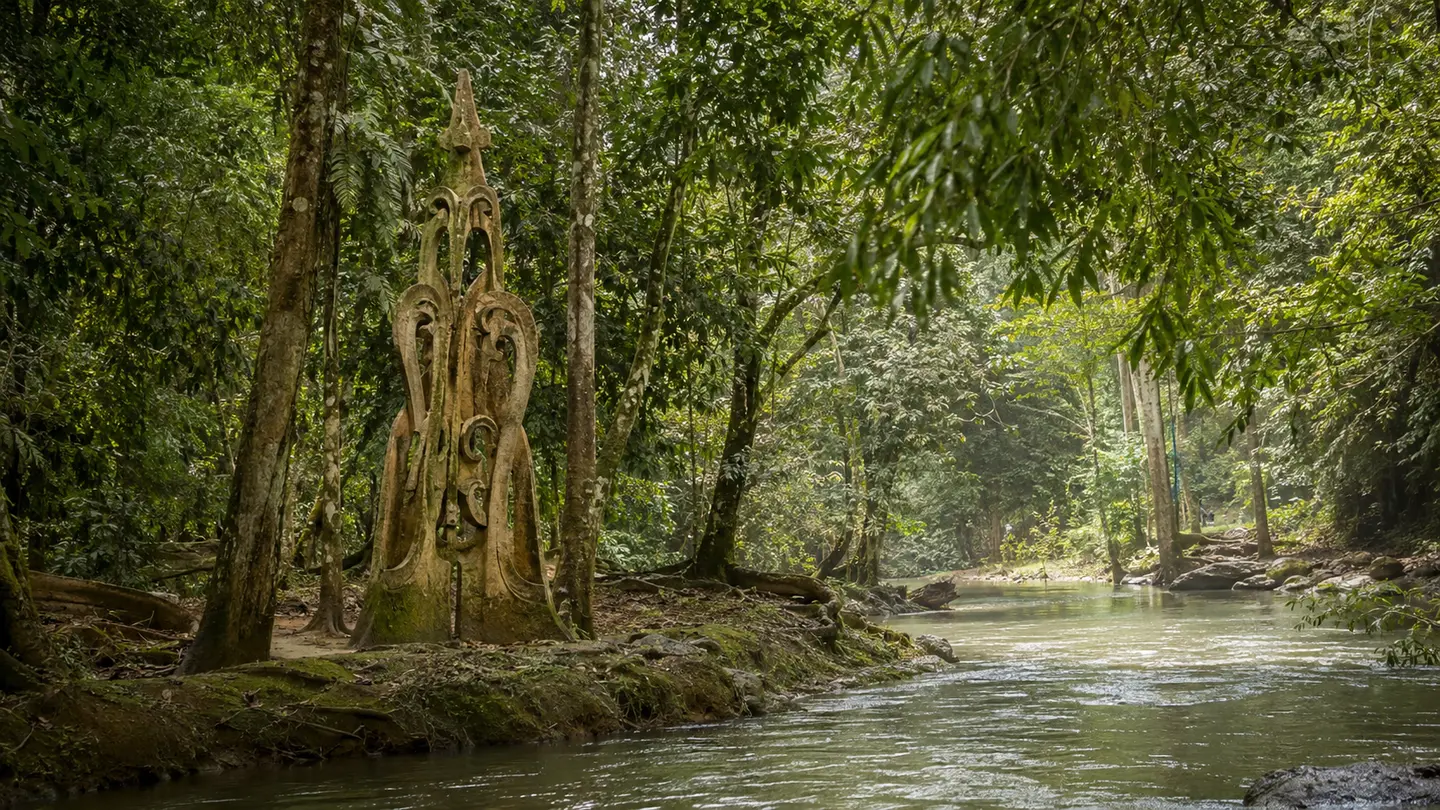
This is not a freely visitable museum. Any visit depends on invitation, calendar and house rules; trees, altars and buildings form a coherent ritual territory.
Energy, atmosphere and feelings
Axé is a precise religious concept, not simply the Western word “energy”. Translation without context erases theology, relations and community authority.
Discover with respect
- Never attend a rite without invitation.
- Ask permission for all images and use explanations approved by the community.
Sources