Introduction
Understanding the place
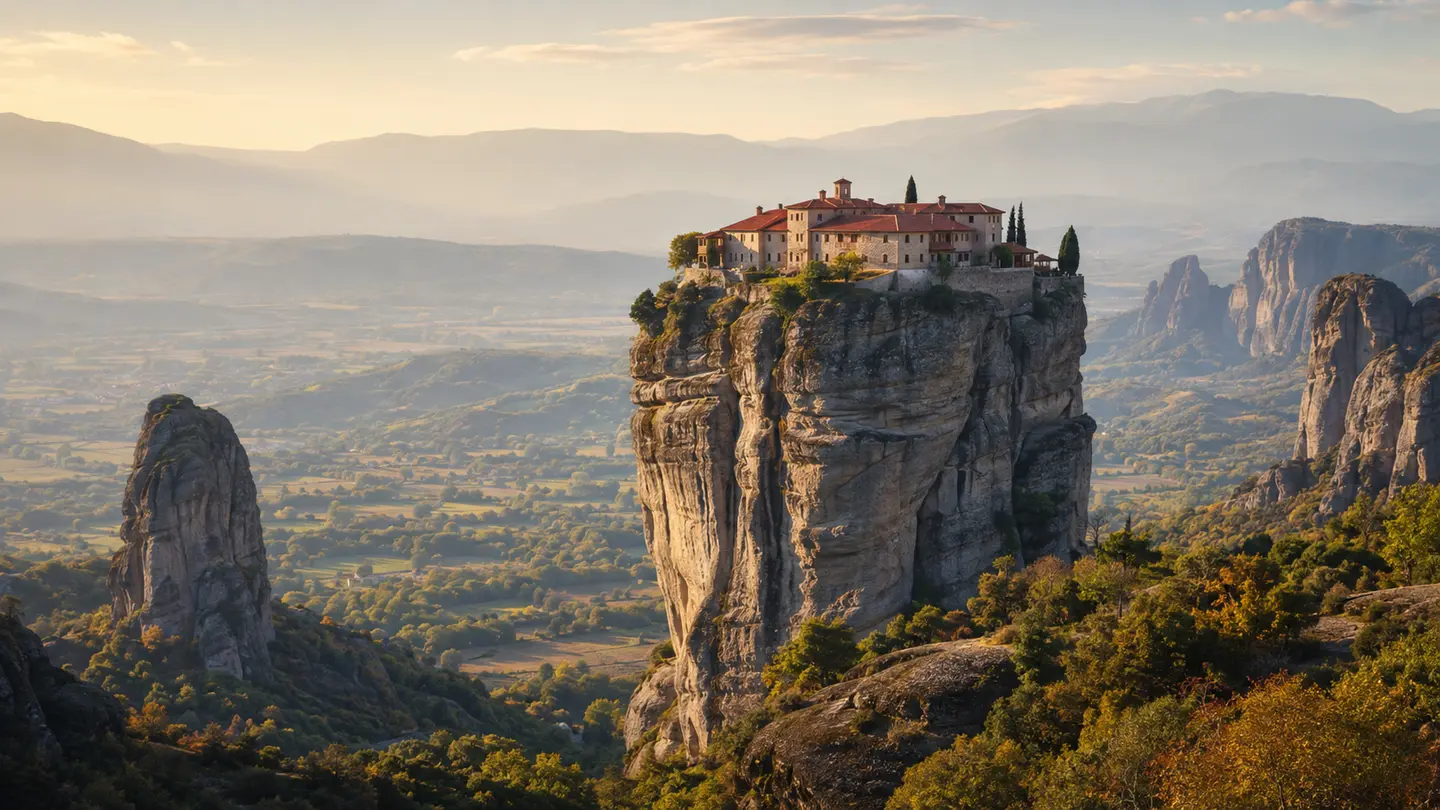
Ostrog Monastery, associated with Saint Basil of Ostrog, is built into a rock face and attracts Orthodox pilgrims as well as visitors of other backgrounds.
To be retained
- Major Balkan pilgrimage
- Shrine of Saint Basil of Ostrog
- Striking cliff architecture
History and context
The upper monastery developed in the 17th century under Basil, Bishop of Herzegovina, whose relics are venerated there. Fire, restoration and expansion shaped the upper and lower complexes.
Why is this place spiritual?
Prayer at the relics, requests for intercession and healing testimonies are central to devotion. Such accounts belong to faith and must never replace medical care.
What the landscape makes you feel
The white façade appearing in the rock is spectacular. Waiting, climbing and the small chapels make the visit both physical and communal.
Energy, atmosphere and feelings
Cliff, crowds and spiritual expectation intensify perception, but do not establish a measurable healing energy.
Discover with respect
- Keep silence near relics and people at prayer.
- Do not promise healing and follow the monastery’s access guidance.
Sources